Investing in asphalt pavement is a significant decision for any property owner. The surface you install will face relentless sun, freeze-thaw cycles, heavy vehicles, and daily wear for a decade or more. In Utah’s demanding climate, the difference between a pavement that fails prematurely and one that provides lasting value comes down to knowledge and execution. This guide cuts through the complexity, providing a clear roadmap to ensure your investment results in a durable, functional, and high-quality asphalt surface.
Understanding the process from start to finish empowers you to make informed choices, ask the right questions, and select a partner who prioritizes longevity over shortcuts. We’ll cover the essential phases: initial planning and material science, the critical steps of professional installation, and the non-negotiable maintenance that protects your investment. Whether you’re repaving a commercial lot or installing a new residential driveway, the principles of quality remain the same.
The Foundation: Planning and Material Quality
A successful paving project begins long before the first truck arrives. Proper planning and a focus on material specifications set the stage for everything that follows.
Defining Your Project Scope and Budget
Start by clearly defining the project’s purpose. Is it a high-traffic commercial parking lot requiring exceptional load-bearing capacity, or a residential driveway with a focus on curb appeal? The answer dictates the design, including the required thickness (measured in inches of compacted asphalt), drainage slope (typically a minimum 2% grade), and subgrade preparation. Establish a realistic budget that accounts for the full project lifecycle, not just the initial installation. Remember, a higher upfront cost for proper base preparation often saves substantial money on repairs later.
The Science of Asphalt Mix Design
Asphalt is not a generic product; it’s a precisely engineered mixture of aggregates (stone, sand, gravel) and asphalt cement binder. In Utah, the mix must be formulated for the region. This means using aggregates that resist polishing and stripping under stress and an asphalt binder graded for performance in both summer heat and winter cold. A high-quality mix for a driveway might have a higher sand content for a smoother finish, while a parking lot mix will prioritize larger, angular aggregate for strength. Reputable asphalt paving Utah suppliers and contractors will specify the mix design being used for your project.
The Installation Process: A Step-by-Step Breakdown
The actual paving process is a sequence of interdependent steps. Skipping or compromising any one can lead to premature cracking, rutting, or drainage issues.
Subgrade Preparation and Base Installation
This is the most critical phase for longevity. The native soil (subgrade) must be properly compacted and stable. On weak or expansive soils, this may require excavation and replacement with a more stable material. A compacted aggregate base course, typically 4 to 8 inches thick, is then installed. This layer distributes load and provides crucial drainage. A laser grader ensures the base is shaped to the precise design slope before any asphalt is placed.
Asphalt Placement, Compaction, and Finishing
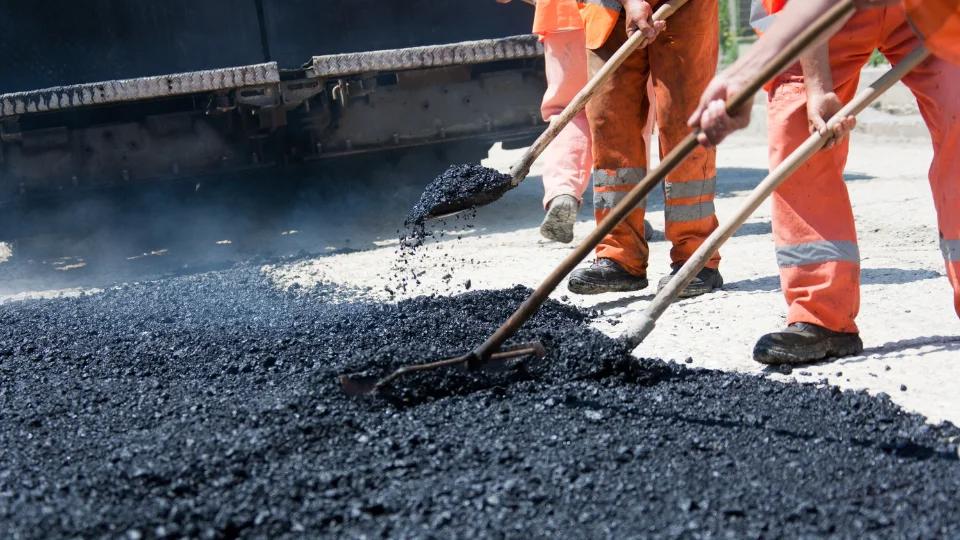
Hot-mix asphalt should be delivered at the proper temperature (typically between 275° and 300°F) to ensure workability. A paver spreads the mix in an even layer, and rollers then compact it in multiple passes. Proper compaction density is non-negotiable; insufficient compaction leads to premature raveling (loss of aggregate) and reduced strength. The final finish should be uniform in texture and color, with a consistent cross-slope for water runoff.
Why Professional Contractors Are Non-Negotiable
While some property owners consider DIY for small patches, a full-scale paving project requires professional expertise. The equipment alone—compact rollers, pavers, laser guides—represents a major capital investment. More importantly, professionals bring an understanding of soil mechanics, mix design, and compaction science that is learned through experience.
A seasoned contractor will conduct a thorough site evaluation, identify potential drainage or soil issues, and provide a detailed written quote outlining the scope, materials, and timeline. They manage the complex logistics of material delivery, crew coordination, and weather delays. Perhaps most importantly, reputable Utah asphalt paving contractors stand behind their work with a warranty, offering peace of mind that a handyman or unlicensed operator cannot. Their reputation depends on the long-term performance of your pavement.
Protecting Your Investment: Maintenance and Repair
Asphalt is a flexible pavement designed to be maintained. A proactive maintenance plan dramatically extends its service life and protects the underlying investment.
The Critical Role of Sealcoating
Sealcoating is not merely cosmetic. This protective layer of emulsified asphalt or coal-tar seals the surface against water penetration, which is the primary cause of base failure and freeze-thaw damage in Utah. It also resists degradation from gasoline, oil, and UV rays. For most surfaces, a fresh sealcoat should be applied every 2 to 3 years. The first application should occur 6 to 12 months after the new asphalt has fully cured.
Timely Crack Sealing and Patching
Water enters small cracks and expands them through freeze-thaw cycles, erodes the base, and leads to potholes. Professional crack sealing—using a hot-pour rubberized sealant—is a cost-effective way to stop this process. For isolated areas of damage, full-depth patching (removing and replacing the asphalt down to the base) is superior to surface-level “throw-and-go” patches, which often fail quickly. A policy of annual inspection and immediate repair of small issues prevents expensive reconstruction later.
Cost Considerations for Utah Property Owners
Understanding cost drivers helps you evaluate bids and avoid suspiciously low estimates that often cut corners on material or preparation. Key factors include:
● Site Accessibility: Tight urban sites or steep slopes may require specialized equipment.
● Existing Surface Removal: The cost to excavate and haul away old pavement or concrete.
● Base Condition: Poor soil conditions requiring additional excavation and imported fill material add cost but are essential.
● Asphalt Thickness: Thicker pavements for heavy loads use more material.
● Project Size: Larger projects benefit from economies of scale in material mobilization.
● Season: Paving in peak summer season may command a premium compared to shoulder seasons.
Always obtain multiple detailed bids that break down costs for site work, materials, labor, and cleanup. The cheapest option is rarely the most economical over a 15-year lifespan.
Frequently Asked Questions
How long should new asphalt last in Utah?
With a proper 4-inch compacted thickness, adequate base preparation, and regular maintenance, a high-quality asphalt driveway can last 15 to 20 years. Commercial parking lots, subjected to heavier loads, typically have a design life of 10 to 15 years under a rigorous maintenance program.
When is the best time of year to pave in Utah?
The ideal window is typically late spring through early fall, when temperatures are consistently above 50°F. Asphalt must be compacted while hot, and cold ambient or ground temperatures prevent proper compaction and bonding, leading to early failure.
How long before I can drive on new asphalt?
While the surface may feel firm within hours, you should avoid turning your steering wheel while stationary on the new surface for at least 3-5 days, as this can scuff and distort the soft mat. Full curing takes several months. Avoid parking heavy vehicles in the same spot for the first few weeks.
Can asphalt be installed over an existing concrete slab?
It is possible but often not recommended. Asphalt and concrete have different expansion and contraction rates. Without meticulous preparation, cracks in the concrete (called reflective cracks) will telegraph through the new asphalt layer. It is generally better to remove the old concrete, repair the base, and install a full-depth asphalt section.
What causes those wavy ripples in some asphalt driveways?
This defect, called “tendering” or “washboarding,” is often caused by a poor asphalt mix (too much sand or inferior binder) or, more commonly, inadequate compaction during installation, especially with the final steel-wheel roller.
Is sealcoating really necessary every few years?
Yes, for long-term protection. Think of sealcoating as sunscreen for your pavement. It blocks the damaging effects of sun and water. The small, periodic cost of sealcoating is insignificant compared to the cost of repairing a deteriorated base or resurfacing years ahead of schedule.
Conclusion
Achieving a high-quality asphalt pavement in Utah is a systematic process that blends good planning, professional execution, and diligent maintenance. As a property owner, your role is to understand these phases, from specifying the right mix design for your needs to selecting a contractor with the expertise and reputation to execute the job correctly. Your vigilance in maintaining the surface through sealcoating and prompt crack repair is what ultimately unlocks the full lifespan and value of your investment.
The landscape of your property is defined by its paved surfaces. By applying the principles outlined in this guide, you move from being a passive buyer to an informed partner in a project that will enhance functionality, safety, and curb appeal for years to come. The right choices today build a foundation of durability that withstands the test of time and the unique challenges of the Utah climate.