Understanding Mini Split Systems
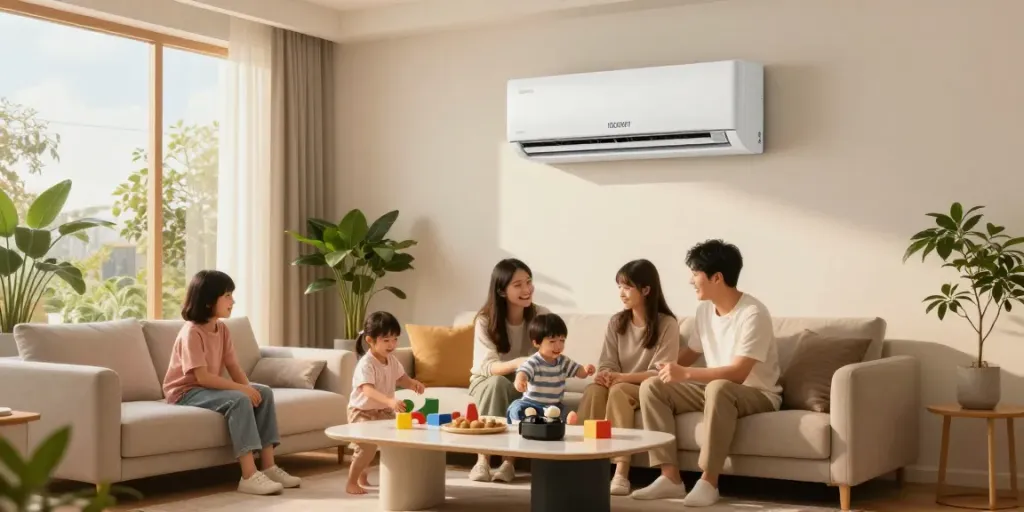
Mini split systems have become a popular choice for homeowners seeking efficient temperature control without the need for bulky ductwork. An 18000 BTU mini split system is designed to provide cooling and heating for medium to large rooms, typically accommodating spaces of around 900 to 1,000 square feet. This makes them an excellent option for living rooms, larger bedrooms, or open-concept areas. When exploring options, mini split 18000 btu provides comprehensive insights into performance and efficiency.
What is a Mini Split 18000 BTU?
At its core, a mini split 18000 BTU refers to a type of air conditioning unit that operates without ductwork. It includes both an indoor and an outdoor component, allowing for flexible installation in various home layouts. The 18000 BTU rating signifies its capability to cool or heat spaces efficiently, translating to about 1.5 tons of cooling power. This versatility allows mini splits to adapt to the changing needs of homeowners throughout the year, making them a valuable addition to many households.
How Mini Split Systems Work
Mini split systems operate on a straightforward principle: they transfer heat rather than generate it. The outdoor unit extracts heat from the outside air and transfers it indoors through a refrigerant. Conversely, during warmer months, the system works to remove heat from the indoor environment and expel it outside. This two-way operation not only provides efficient cooling but also enables effective heating during cooler months, especially in well-insulated spaces.
Benefits of 18000 BTU Mini Splits
Opting for an 18000 BTU mini split system comes with several advantages:
- Energy Efficiency: Mini splits use significantly less energy compared to traditional HVAC systems, leading to lower utility bills.
- Zone Control: You can cool or heat specific areas in your home, providing increased comfort and flexibility.
- Quiet Operation: These systems typically operate at a lower noise level than traditional air conditioning units, making them ideal for bedrooms and offices.
- Easy Installation: Mini splits require only a small hole for the refrigerant lines, making installation relatively straightforward and less invasive.
- Programmable Features: Many models come equipped with smart technology, allowing for programmable settings and remote control.
Choosing the Right Mini Split for Your Home
When selecting a mini split system, several factors should be considered to ensure you choose the right unit for your specific needs.
Factors to Consider When Selecting a Mini Split
The first step in choosing a mini split is understanding the unique requirements of your space. Consider the room size, insulation quality, and local climate when selecting the BTU rating. While 18000 BTU systems are ideal for medium to large rooms, factors such as window sizes and sun exposure can also influence efficiency.
Room Size and BTU Requirements
Room size significantly affects the performance of a mini split system. As a general guideline, every 600 to 800 square feet typically requires about 12000 BTU. Therefore, an 18000 BTU unit can effectively serve spaces up to 1,000 square feet, depending on insulation and other heat factors. It’s important to consult with a professional to perform a heat load calculation, ensuring you select a unit that perfectly meets your cooling and heating needs.
Comparing Brands and Models
The mini split market is competitive, with various brands offering models with differing features, warranties, and energy efficiencies. Brands like Mitsubishi, Daikin, and LG are known for their reliable performance and innovative technology, while others like Senville and Della provide budget-friendly options without sacrificing quality. Always assess the energy ratings and customer reviews to gauge the performance and reliability of each model.
Installation Process for Mini Split 18000 BTU
Installing an 18000 BTU mini split requires careful planning and execution to ensure optimal performance and efficiency.
Professional vs. DIY Installation
While some homeowners may consider a DIY installation to save money, it’s advisable to hire a professional. Proper installation is key to maximizing the efficiency and lifespan of the unit. Professionals can ensure that the system is correctly sized, placed, and charged with refrigerant for optimal operation.
Step-by-Step Installation Guide
- Choosing the Location: Select an outdoor placement that allows for proper airflow and access for maintenance. The indoor unit should be positioned in a place where airflow can efficiently circulate within the room.
- Mounting the Indoor Unit: Use a mounting bracket to secure the indoor unit to the wall, ensuring it is level.
- Connecting the Lines: Run the refrigerant and electrical lines from the indoor unit to the outdoor condenser unit.
- Install the Outdoor Unit: Secure the outdoor unit on a stable surface, ensuring it has adequate clearance for airflow.
- Final Connections: Connect the refrigerant lines and electrical wiring, followed by testing the system for leaks.
- System Start-up: Power on the system and adjust settings to ensure functionality.
Common Installation Mistakes to Avoid
Avoid these common pitfalls for a successful installation:
- Incorrectly sizing the system for the space.
- Poor placement of indoor and outdoor units that obstruct airflow.
- Failing to seal connections properly, leading to refrigerant leaks.
- Overlooking local building codes and regulations during installation.
Maintenance Tips for Efficient Operation
Regular maintenance is crucial for keeping your mini split system running efficiently and prolonging its lifespan.
Regular Cleaning and Filter Replacement
Keeping the filters clean can significantly enhance the efficiency of your mini split system. It’s recommended to clean or replace filters every 1-3 months, especially during peak usage seasons. Dirty filters can block airflow and reduce performance.
Diagnosing Common Issues
Recognizing early signs of trouble can prevent costly repairs. Common issues include strange noises, insufficient cooling or heating, and water leaks. If you notice any unusual symptoms, consult a technician for a thorough inspection.
Importance of Seasonal Maintenance
Seasonal maintenance should include professional check-ups before the cooling and heating seasons. Technicians can perform necessary tasks like checking refrigerant levels, inspecting ductwork, and cleaning the outdoor unit to ensure optimal performance.
Future Trends in Mini Split Technology
As technology continues to evolve, mini split systems are becoming increasingly advanced, offering enhanced features and efficiencies.
Advancements in Energy Efficiency
New models are continually being developed with higher SEER (Seasonal Energy Efficiency Ratio) ratings, allowing homeowners to enjoy cooling and heating at an even lower energy cost. Innovations like variable speed compressors enable mini splits to adjust output according to the specific needs of the space.
Smart Technology Integration
Many modern mini splits now offer smart technology compatibility, enabling users to control their systems remotely through smartphones or voice assistants. These features provide convenience and can optimize energy savings by allowing users to adjust settings based on real-time needs.
Future Predictions for Mini Split Systems
Looking ahead, we can expect mini splits to continue becoming more energy-efficient and user-friendly. With increasing environmental concerns, manufacturers are likely to focus on developing eco-friendly refrigerants and enhancing the overall sustainability of their systems.
How Long Will an 18,000 BTU Mini Split Last?
With proper maintenance, an 18000 BTU mini split system can last anywhere from 15 to 20 years. Regular cleaning, timely repairs, and professional inspections are vital in achieving this longevity.
What Size Space Can an 18,000 BTU Mini Split Cool?
An 18000 BTU mini split can effectively cool spaces ranging from 900 to 1,000 square feet, depending on factors like insulation, ceiling height, and sun exposure.
Is It Cost-Effective to Leave A Mini Split On Year-Round?
Leaving a mini split on year-round can be cost-effective, particularly if it's used to maintain a moderate temperature. However, running the system continuously may increase energy use, and each household should evaluate based on individual usage patterns and energy costs.
What are the Best Brands for 18000 BTU Mini Splits?
Leading brands in the mini split market include Mitsubishi, Daikin, and LG, recognized for their reliability, efficiency, and advanced features. Budget-conscious options like Senville and Della also provide quality systems at competitive prices.
What Installation Costs Should I Expect for a Mini Split?
Installation costs can vary widely based on the complexity of the installation, the region, and the technician’s experience. Generally, costs can range from $1,500 to $4,000, depending on whether you hire a professional or opt for a DIY approach. Adding additional zones will also increase the total cost.