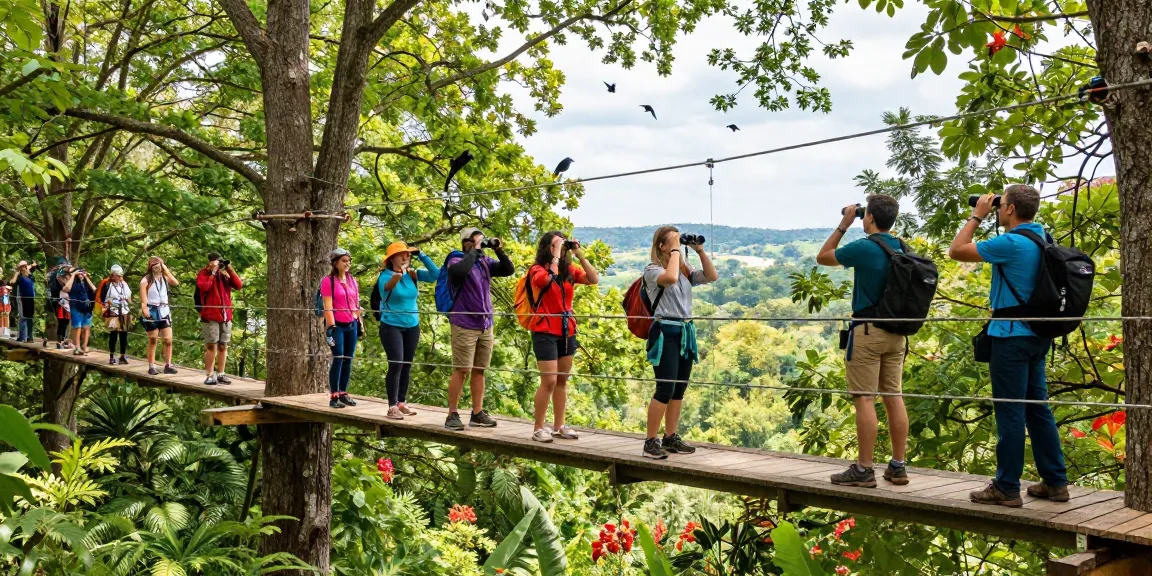
Understanding the Treetop Walkway Phenomenon
As nature enthusiasts seek new ways to connect with the environment, Treetop Walkway experiences have emerged as integral attractions. These elevated structures allow visitors to immerse themselves in the rich biodiversity of forest canopies while enjoying breathtaking views. Treetop walkways are not merely pathways; they are bridges to understanding ecological balance and the importance of conserving our natural habitats. This article will delve deep into the concept, history, benefits, and future of treetop walkways, illustrating their significance in eco-tourism and conservation.
What is a Treetop Walkway?
A treetop walkway is an elevated pathway designed to provide pedestrians access to the upper levels of a forest, allowing them to experience the natural world from a unique vantage point. Typically constructed from wood and steel, these walkways are engineered to blend seamlessly into the landscape, ensuring minimal disturbance to wildlife. They often wind through and among the treetops, giving visitors a chance to walk among birds and other wildlife, all while suspended high above the ground. These structures vary in height and design, from simple wooden bridges to elaborate structures like the Treetop Walk at the Royal Botanic Gardens, Kew, which reaches an impressive 18 metres in height.
Historical Context and Evolution
The concept of canopy walkways can be traced back to various indigenous cultures that have long recognised the importance of forest canopies. However, the modern treetop walkway phenomenon began in the late 20th century as the demand for eco-tourism rose. One of the first purpose-built treetop walkways opened in the early 1990s in the Australian rainforest, and since then, numerous countries have followed suit, establishing their own versions. Innovations in materials and engineering have led to increasingly sophisticated designs, allowing for longer and more stable walkways that can support larger visitor numbers while ensuring safety and comfort.
Comparative Overview of Global Treetop Walks
Across the globe, treetop walkways vary in their designs and the experiences they offer. For example, the Gondwana Rainforest Walk in Australia provides visitors with a 1.2-kilometre boardwalk through lush green forests, while the Wild Walk at The Wild Center in the Adirondacks entices guests with bridges and lookout platforms suspended above the forest floor. In Asia, the TreeTop Walk in Singapore offers a unique, serene escape where visitors can wander through a macritchie reservoir, experiencing the tranquility of nature while enjoying the thrill of heights. Each location reflects its unique ecosystem, offering diverse wildlife and plant species, making them perfect for nature lovers and adventure seekers alike.
The Benefits of Visiting Treetop Walkways
Enhancing Nature Appreciation and Conservation
Visiting a treetop walkway inherently fosters a deeper appreciation for nature. When individuals experience nature from a different perspective, they become more aware of the intricacies of ecosystems. Walkways are often designed with educational displays, providing information about local flora and fauna, which enhances visitors’ understanding and appreciation of biodiversity. Moreover, many treetop walkways contribute to conservation efforts by raising funds for environmental initiatives and promoting sustainable tourism practices.
Boosting Tourism in Eco-Friendly Ways
Treetop walkways are not only beneficial for conservation but also serve as a significant attraction for eco-tourism. By offering unique experiences, they draw visitors from near and far, stimulating local economies. Many locations incorporate local artisans and businesses into their visitor experience, from guided tours led by knowledgeable locals to cafes serving organic, locally-sourced food. This model not only supports the community but also educates visitors on sustainable practices.
Physical and Mental Health Benefits
Numerous studies indicate that spending time in nature enhances mental well-being and reduces stress. Walking among treetops allows individuals to disconnect from the fast pace of modern life, promoting relaxation and mindfulness. Additionally, the physical activity involved in walking on these elevated paths provides cardiovascular benefits, making treetop walkways an excellent way to combine exercise with the therapeutic effects of nature.
Planning Your Visit to Treetop Walkways
Choosing the Best Locations for Your Adventure
When planning your visit to a treetop walkway, it’s essential to consider location. Different walkways offer distinct experiences based on their geographical context and the ecosystems they traverse. Popular locations include the Treetop Walk at Kew Gardens, the TreeTop Walk in Singapore, and the Murch Canopy Walk in Ohio. Each venue provides unique insights into the respective forests' biodiversity, climate, and conservation efforts. Researching visitor reviews and environmental conditions ahead of time can aid in selecting the best option for your adventure.
Essential Preparations and Packing Tips
Preparing for a day on a treetop walkway is key to ensuring a positive experience. Comfortable walking shoes are a must, as well as weather-appropriate clothing, since temperatures can vary significantly at different heights. Don’t forget to pack essentials like water, snacks, sunscreen, and a camera to capture the stunning views. If travelling with children, be sure to bring items they may need, such as a hat or a small backpack for their belongings.
Safety Guidelines for a Memorable Experience
Safety is paramount when visiting treetop walkways. Always follow guidelines provided by the site, including designated paths and safety barriers. Pay attention to weather warnings, as high winds or rain can affect accessibility. If you have concerns about heights or mobility, consider choosing a walkway with lower elevation or one that provides extensive support. Most importantly, enjoy the experience, keeping an eye out for local wildlife and unique plant species along the way.
Experiencing Nature on the Treetop Walkway
Wildlife Encounters and Educational Opportunities
A walk among the treetops opens up opportunities for wildlife encounters that are normally hidden from ground-level hiking. Many treetop walkways are located in habitats rich with diverse species, from colourful birds to rare insects. Guided tours often highlight the unique interactions within these ecosystems, offering visitors a chance to learn from experienced naturalists. Educational signage throughout the walkways also enhances the experience, informing guests about ecological relationships and conservation practices.
Photography Tips for Capturing Stunning Views
For photography enthusiasts, treetop walkways present unique opportunities to capture breathtaking landscapes. When taking photos, consider the time of day; early morning or late afternoon often provides the best natural lighting. Use a wide-angle lens to encompass the expansive views, and remember to include elements of the natural environment such as foliage or wildlife to add context to your images. Additionally, focusing on details such as the texture of tree bark or the patterns of leaves can create compelling close-ups.
Engaging Activities and Programs Available
Many treetop walkways offer engaging activities to enhance the visitor experience. From guided nature walks to workshops on photography and ecology, there are often programmes tailored to diverse interests. Some locations even feature outdoor classrooms where visitors can learn about local ecosystems interactively. Look for seasonal events, like guided night walks or educational talks with conservationists, to enrich your visit further.
The Future of Treetop Walkways in 2026
Trends Shaping Eco-Adventure Travel
As the eco-tourism industry evolves, treetop walkways will likely play a pivotal role in shaping travel trends. With an increased focus on sustainability and environmental responsibility, travellers are seeking experiences that align with their values. Walkways that prioritise eco-friendly materials, are built with minimal environmental impact, and support local conservation efforts will be particularly appealing to discerning eco-tourists.
Innovations in Treetop Walkway Design and Experience
The future also looks promising in terms of innovative design. Advancements in technology, such as augmented reality, could enhance visitor experiences by providing interactive, educational content about the flora and fauna encountered on the walks. Emphasising accessibility for all visitors will also be a key consideration, ensuring that everyone, regardless of physical ability, can enjoy the beauty of nature.
Community Impact and Involvement in Conservation
As treetop walkways grow in popularity, their potential for positive community impact becomes increasingly evident. Local communities can benefit from the influx of eco-tourism revenue, which can be reinvested into conservation projects and community initiatives. Collaborating with local organisations to promote conservation efforts can also create a sense of ownership and pride among community members, fostering a culture of environmental stewardship.
Is the Treetop Walkway worth the visit?
Absolutely! A treetop walkway offers a unique perspective that immerses visitors in the beauty of nature while providing opportunities for education and adventure. Each walkway has its own charm, making it a worthwhile experience for nature lovers, families, and tourists alike.
How long are Treetop Walkways typically?
Length can vary significantly among different treetop walkways. Most walkways range from 300 to 700 metres, although some, like the Treetop Walkway at Kew Gardens, can extend considerably longer. The best way to enjoy a visit is to take your time exploring and appreciating the surrounding environment.
What should I wear for a visit to a Treetop Walkway?
Comfortable outdoor clothing is ideal, along with sturdy footwear that provides support. It’s also wise to dress in layers; temperatures can be cooler at higher elevations. A hat and sunscreen are recommended for sunny days, while waterproof clothing may be necessary during inclement weather.
Are there accessibility options available on Treetop Walkways?
Many treetop walkways are designed with accessibility in mind, featuring ramps and level paths for those using wheelchairs or with mobility challenges. However, it’s best to check with individual attractions in advance to confirm specific accessibility options and any potential limitations.
What wildlife can you expect to see on Treetop Walkways?
Visitors can encounter various wildlife on treetop walkways, including birds, insects, and sometimes small mammals native to the area. The diversity of life varies based on location, but the advantages of seeing wildlife in its natural habitat make every visit special.