Understanding TradingView: A Powerful Tool for Traders
In the ever-evolving world of financial trading, staying ahead of the curve is crucial. One tool that has gained immense popularity among both novice and experienced traders is tradingview. With its powerful charting capabilities and extensive social networking features, TradingView has become a go-to platform for analyzing markets and making informed trading decisions. This article delves into the essential features of TradingView, explores how it caters to various trading styles, and compares it with other trading platforms.
What is TradingView and Its Core Features?
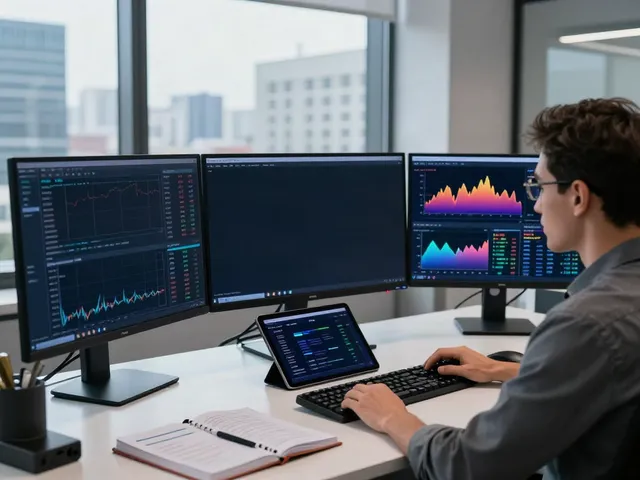
TradingView is a cloud-based platform that provides advanced charting tools and a wide array of technical indicators. Users can create custom charts, set up alerts, and share their insights with a vast community of traders worldwide. Some of the core features of TradingView include:
- Customizable Charting Tools: Traders can customize their workspace with different chart types, indicators, and timeframes to suit their trading strategies.
- Social Networking: The platform allows users to share ideas, strategies, and analyses, fostering a community where traders can learn from each other.
- Real-Time Data: TradingView provides users with real-time market data, allowing them to make timely decisions based on current trends.
- Mobile Access: With mobile applications, users can access charts and market information on the go, ensuring they never miss out on critical trading opportunities.
How Does TradingView Support Different Trading Styles?
One of the standout aspects of TradingView is its adaptability to various trading styles, whether day trading, swing trading, or long-term investing. For day traders, the ability to access real-time data and utilize minute-by-minute charting allows for quick decision-making. Swing traders benefit from the platform's ability to identify trends over several days or weeks, using sophisticated indicators to gauge momentum. Long-term investors can leverage TradingView's comprehensive analysis tools to evaluate potential investments carefully.
Comparative Analysis: TradingView vs. Other Platforms
While there are several trading platforms available, TradingView offers unique features that set it apart. Unlike traditional platforms that focus solely on trading execution, TradingView combines trading with social networking, allowing traders to discuss strategies and receive feedback. Competitors like MetaTrader are excellent for execution but lack the social aspect and community features that TradingView provides. Additionally, TradingView’s user interface is often considered more intuitive and visually appealing compared to other platforms, enhancing the overall user experience.
Navigating the TradingView Interface for Optimal Performance
Getting Started: Setting Up Your TradingView Account
Creating an account on TradingView is a straightforward process. Users begin by signing up via their email or social media accounts, providing them with immediate access to the platform. Once logged in, users can begin customizing their dashboards to fit their trading preferences, adding widgets and market watchlists for efficient monitoring of their favorite stocks or assets.
Key Features and Tools: Customizing Your Workspace
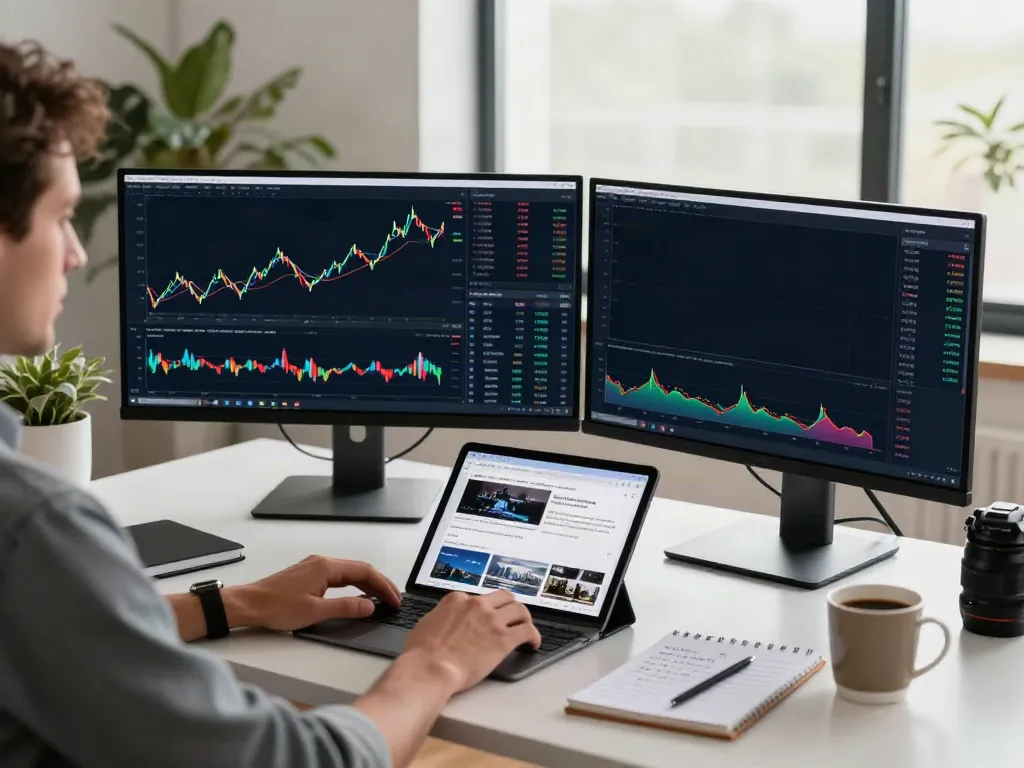
TradingView allows users to create a personalized workspace that caters to their unique trading strategies. Key features include:
- Multiple Chart Layouts: Users can arrange multiple charts in a single view, allowing for comparative analysis across different securities.
- Custom Alerts: Traders can set alerts for price movements or indicator thresholds, ensuring they are notified of essential changes in the market.
- Template Saving: Users can save their preferred chart setups as templates for quick access during their trading sessions.
Best Practices for Chart Setup and Layouts
To maximize effectiveness on TradingView, users should follow best practices for chart setup and layout:
- Keep it Simple: Avoid cluttering the chart with too many indicators; focus on the most relevant ones for your strategy.
- Use Color Coding: Assign different colors to various indicators to differentiate them easily at a glance.
- Regularly Update Your Templates: As market conditions change, ensure your chart templates reflect your current trading strategies.
Advanced Trading Strategies Using TradingView
Utilizing Indicators and Tools for Technical Analysis
TradingView provides an extensive library of technical indicators that traders can use to analyze market trends. Popular indicators include moving averages, RSI, and Bollinger Bands. By applying these indicators to their charts, traders can identify entry and exit points more efficiently, helping to enhance their overall trading strategy.
Leveraging Social Features for Community Insights
The social aspect of TradingView cannot be overstated. Users can post their analyses, strategies, and market outlook for community feedback. This feature not only helps in refining their own strategies but also allows traders to gain insights from others' experiences, contributing to their knowledge base. Engaging with the community can often lead to discovering new trading strategies and techniques.
Case Studies: Successful Strategies Implemented on TradingView
Numerous traders have successfully implemented strategies using TradingView. For instance, a swing trader might employ a combination of moving averages and RSI to determine optimal buy and sell points. By sharing these strategies on TradingView, they can gain insights and feedback from the community, which can further refine their approach and increase their chances of success.
Measuring Your Success with TradingView Analytics
How to Track Performance and Analyze Trades
Measuring the success of trading strategies is vital for continuous improvement. TradingView offers tools for tracking performance over time, allowing traders to analyze their trades based on various metrics. By evaluating their win rate, average return per trade, and maximum drawdown, traders can identify areas for improvement.
Using TradingView for Backtesting Strategies
Backtesting is a critical component of developing a successful trading strategy. TradingView allows users to backtest their strategies against historical data, helping them to evaluate their potential effectiveness before applying them in real-time trading. By simulating trades as if they were placed in the past, traders can identify how their strategies would have performed.
Understanding Data Metrics and Key Performance Indicators
Traders using TradingView can access various data metrics that provide insights into their trading performance. Key performance indicators (KPIs) such as profit factor, Sharpe ratio, and win/loss ratio help traders gauge the effectiveness of their strategies and make informed decisions about future trades.
The Future of Trading with TradingView in 2026
Emerging Trends in Trading Technologies
As the trading landscape continues to evolve with emerging technologies, TradingView is at the forefront of these changes. Advances in artificial intelligence, machine learning, and automated trading are expected to shape the future of trading platforms. TradingView is likely to integrate these technologies, providing users with enhanced predictive capabilities and personalized experiences.
How TradingView Adapts to Market Changes and Innovations
TradingView has shown resilience in adapting to market changes by continuously updating its features and tools. The platform regularly introduces new indicators, charting options, and usability enhancements in response to user feedback and market trends, ensuring that traders have the tools they need to navigate a complex market landscape effectively.
Expert Predictions: What Lies Ahead for Traders?
Looking ahead, experts predict that TradingView will continue to expand its capabilities. New social trading features, improved collaboration tools, and enhanced analytical capabilities are anticipated, which could further solidify its position as a leader in the trading platform industry. As technology progresses, traders can expect even more robust tools that facilitate informed decision-making and strategy development.
What makes TradingView different from other trading platforms?
TradingView distinguishes itself from other trading platforms primarily through its community-oriented approach and superior charting capabilities. While many platforms focus solely on execution, TradingView promotes interaction and knowledge-sharing among traders, fostering a collaborative environment that enriches the trading experience.
How can I effectively use TradingView for day trading?
For effective day trading on TradingView, users should utilize real-time data, set frequent alerts for price movements, and engage with the community for insights. Developing a trading plan based on technical analysis and sticking to it can significantly enhance success rates in day trading.
What are the costs associated with TradingView subscriptions?
TradingView operates on a freemium model, offering various subscription options. Users can access a basic version for free, but premium features such as advanced charting, additional indicators, and alerts require paid subscriptions. These can range from a few dollars a month to more, depending on the features selected.
Are there any community resources for TradingView users?
Yes, TradingView provides a wealth of community resources. Forums, social feeds, and shared scripts are all accessible for users to engage with one another. This vibrant community allows traders to learn from each other and share valuable insights and experiences.
How do I integrate TradingView with my trading broker?
Integrating TradingView with a trading broker is a straightforward process. Most brokers compatible with TradingView allow users to connect their accounts for seamless trading directly from the platform. Traders should check with their specific broker for integration steps and available features.