
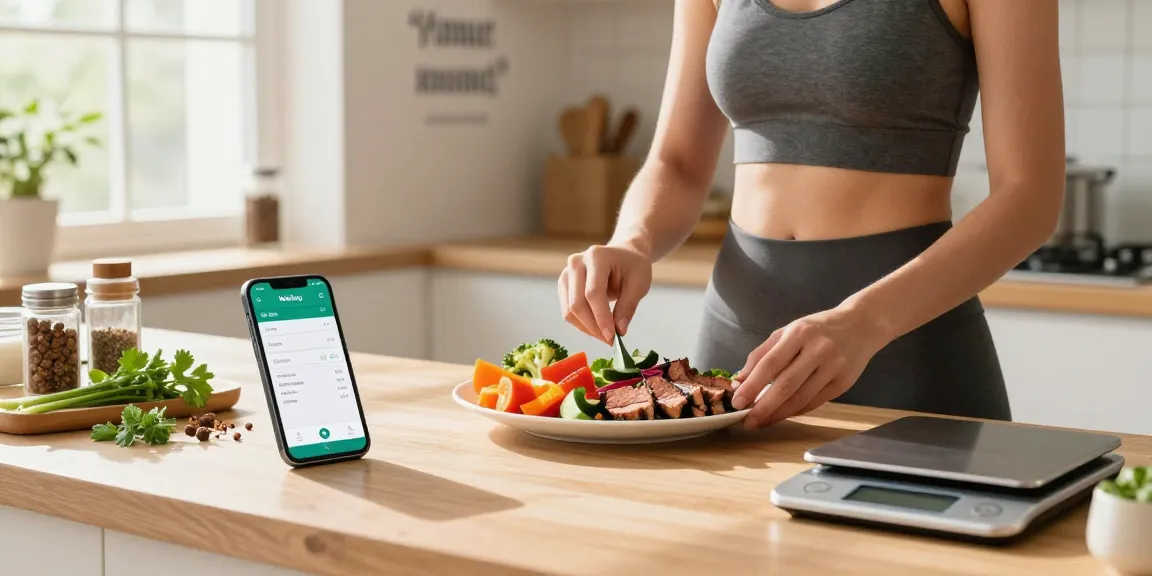
Understanding the Best Nutrition App and Its Features
In today’s fast-paced world, maintaining a balanced diet is more challenging than ever. The advent of technology has provided us with innovative solutions to help manage our dietary habits effectively. One of the most valuable resources in this endeavor is a nutrition app. But what truly makes an app the best nutrition app? This article explores essential features, benefits, and the game-changing role of AI in nutrition tracking, along with actionable insights to optimize your dietary journey.
When exploring options, best nutrition app solutions provide comprehensive insights that can enhance your health and wellbeing.
What Makes an App the Best Nutrition App?
The best nutrition app serves as more than just a tracker; it’s a comprehensive tool that integrates various features to help users achieve their dietary goals. Key attributes of an exceptional nutrition app include user-centric design, real-time data tracking, personalized recommendations, and accessibility. These elements create a seamless experience that encourages users to engage with their nutritional objectives consistently.
Essential Features of Effective Nutrition Tracking Apps
- Calorie Counting: The primary function of any nutrition app is to allow users to track their food intake accurately. This includes calories consumed, macronutrient distribution, and meal portion sizes.
- Photo Logging: Many apps now enable users to capture meals via photographs, simplifying the logging process and enhancing accuracy.
- Personalized Plans: A standout feature is the ability to create personalized meal plans based on individual goals, whether for weight loss, muscle gain, or maintenance.
- AI-Driven Insights: With advancements in AI technology, many nutrition apps now provide real-time feedback and suggestions tailored to users’ habits and preferences.
- Community Support: Access to forums and user groups can foster motivation and accountability among users.
User Experience and Interface Design Elements
An intuitive user interface is vital for any app, particularly in the nutrition space where users may be tracking multiple meals daily. Key design elements to consider include:
- Simplicity: Easy navigation and a clean layout are crucial for user retention.
- Customizability: Allowing users to tailor their dashboards according to personal preferences can enhance engagement.
- Visual Feedback: Graphical representations of progress, such as charts and daily summaries, can motivate users and provide clarity over time.
How to Set Up a Personalized Nutrition Plan Using Apps
Setting up a personalized nutrition plan is not just about counting calories; it’s about understanding your body and its unique needs. Here’s how to create a tailored plan using the best nutrition apps:
Deciding Your Nutrition Goals: Weight Loss, Gain, or Maintenance
The first step in your journey is identifying your primary nutrition goal. Whether your aim is to lose weight, gain muscle, or maintain your current body composition, your app should cater to these specific needs. For instance, Welling’s app allows users to select their focus, adjusting macro and calorie targets accordingly.
Personalized Calorie and Macro Targets: A Step-by-Step Guide
Creating personalized macro targets requires a few simple steps:
- Input Personal Data: Share your age, weight, height, activity level, and goals.
- Set Your Preferences: Indicate any dietary restrictions or food preferences.
- Review Recommendations: Analyze the app’s suggested calorie and macronutrient breakdown.
- Adjust as Needed: Fine-tune these recommendations based on your experiences and outcomes over time.
Integrating Food Preferences into Your Nutrition Plan
Choosing foods you enjoy is critical for long-term success. When using a nutrition app, ensure it incorporates your favorite meals, dietary restrictions, and local food availability. The best apps will have comprehensive databases that accommodate a variety of cuisines, allowing users to enjoy their meals without sacrificing their goals.
Maximizing Your Use of AI in Nutrition Tracking
The incorporation of AI in nutrition tracking apps has transformed how users engage with their dietary habits. Here are some ways to maximize the benefits of AI:
How AI Enhances the Best Nutrition App Experience
AI technology offers personalized insights based on individual user data. This means that, as you log your meals and activities, the app learns about your preferences and behaviors, refining its recommendations to better suit your needs. For example, Welling’s AI nutrition coach not only tracks your meals but also provides actionable advice, helping users make informed decisions about their diets.
Real-Time Feedback for Optimal Nutrition Management
One of the most significant advantages of using AI in nutrition apps is the real-time feedback provided. As you log each meal, AI assesses your intake against your targets, giving immediate insights on how to adjust your meal choices to stay on track.
Case Studies: Successful Transformations with AI Coaches
Many users have reported transformations through the use of AI-driven nutrition coaching. For instance, one Welling user successfully lost 20 pounds over six months by closely following the tailored meal plans and guidance provided by the app. These success stories emphasize how combining technology with personalized support leads to lasting change.
Common Challenges and Misconceptions About Nutrition Apps
While nutrition apps offer numerous benefits, potential users often face challenges or harbor misconceptions that can deter them from utilizing these tools effectively. Here, we address some of these common issues:
Debunking Myths Surrounding Caloric Tracking
A prevalent myth is that calorie tracking is tedious and labor-intensive. Modern apps like Welling challenge this notion by enabling users to log meals with minimal effort through photo uploads and quick descriptions.
Overcoming User Frustrations with Technology in Nutrition
Technical glitches can frustrate users. To mitigate this, look for apps with robust customer support and frequent updates to improve functionality. Learning to navigate the app effectively will also enhance the experience.
Solutions for Maintaining Motivation and Consistency
Staying motivated can be difficult. To combat this, set small, achievable goals within the app and celebrate your progress. Engaging with community features can also provide additional support and accountability.
Future Trends in Nutrition Apps for 2026 and Beyond
The nutrition app landscape is continually evolving, driven by emerging technologies and changing user needs. Here are some trends to watch for:
Emerging Technologies in Nutrition Tracking
Future nutrition apps are expected to integrate more sophisticated AI capabilities, enabling predictive analytics that can forecast nutritional outcomes based on user behavior. Wearable technology may also become more harmonized with nutrition apps, providing seamless data sharing for comprehensive health management.
Future-Proofing Your Nutrition Strategy with Innovative Apps
To stay ahead of the curve, choose apps that are committed to innovation and user feedback. These apps will evolve alongside scientific advancements, ensuring that you always have access to the best tools for your nutrition journey.
Expert Insights on Nutrition and Behavioral Trends
Nutrition experts are beginning to emphasize the importance of behavioral science in dietary habit formation. Expect future apps to incorporate features that promote sustainable habits through gamification and personalized challenges.
How Can the Best Nutrition App Benefit You?
The best nutrition apps can substantially enhance your health journey through streamlined tracking, personalized meal planning, and ongoing support. By leveraging these tools, users can gain clarity in their dietary decisions, making healthy eating more manageable.
Are Nutrition Apps Effective for Weight Management?
Research shows that users of nutrition apps often achieve better weight management results compared to those who do not use tracking tools. Consistent logging and real-time feedback help maintain accountability and motivation.
Can I Use Nutrition Apps to Achieve Fitness Goals?
Absolutely. Nutrition apps are not just about tracking food intake; they also facilitate a holistic approach to health, integrating exercise logging to help users meet their fitness goals more efficiently.


