The Importance of Architectural Models in France
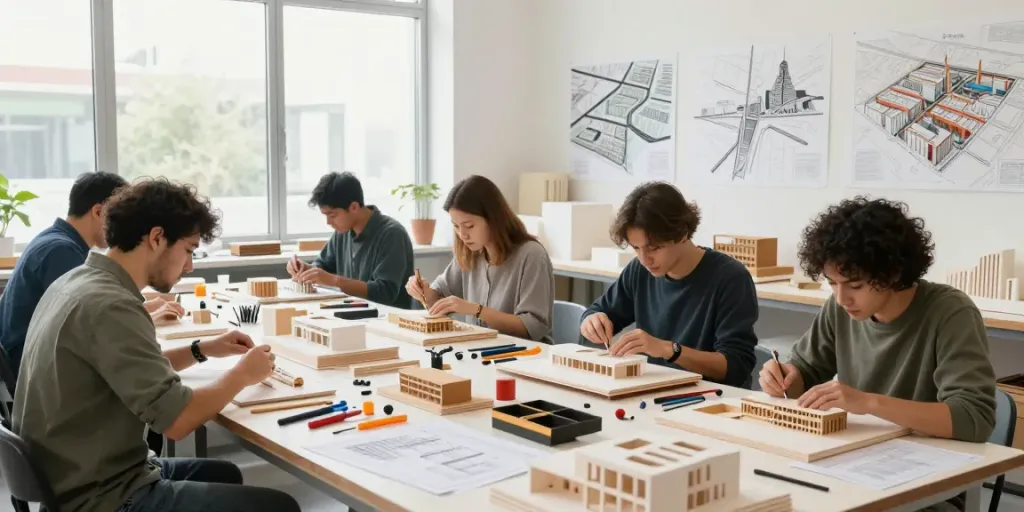
Architectural model making has carved its niche in France, a country renowned for its architectural heritage and continuous innovation in construction. These models serve as vital communication tools, enabling stakeholders such as architects, urban planners, and real estate developers to visualize concepts and identify potential issues before actual construction begins. When exploring options, Architectural model maker France provides comprehensive insights into the various facets of this essential discipline.
Why Models Matter for Architects and Developers?
In the realm of architecture and urban planning, models play an indispensable role. They bridge the gap between conceptual design and practical implementation, facilitating discussions among various stakeholders. By providing a tangible representation of architectural ideas, models enable architects to successfully convey their visions, allowing for feedback and refinement throughout the design process.
Benefits of Professional Model Making
Professional model making offers numerous advantages. Not only do these models enhance visual communication, but they also help in identifying potential design conflicts early in the development process. Furthermore, well-crafted models can significantly aid in fundraising efforts, as they attract investor interest and lend credibility to proposals. Overall, the precision and detail involved in professional model making reflect the quality of the eventual built environment.
Real-World Applications of Architectural Models
The applications of architectural models are wide-ranging. They are utilized in various sectors, including:
- Architectural Competitions: Detailed models are submitted to showcase design concepts and gain expert evaluations.
- Urban Planning: Models facilitate visualizing neighborhoods and city layouts, aiding in effective planning.
- Real Estate Development: Developers use models to present prospective projects to potential buyers.
- Exhibitions and Trade Shows: Models displayed at industry events capture audience interest and demonstrate capabilities.
Types of Architectural Models Available
Architectural model makers in France offer a diverse range of model types tailored to various needs. Each type serves a specific purpose and is crafted using specific techniques and materials designed to effectively convey the intended message.
Industrial Models: Optimizing Functionality
Industrial models serve as invaluable tools in showcasing factories, power plants, and other industrial complexes. These models illustrate processes and layouts, facilitating improved planning and optimization. They can also be used in presentations to engage potential clients by vividly depicting operations and efficiencies.
City Planning Models: Visualizing Urban Landscapes
City planning models are large-scale representations of urban areas. They help in understanding the impact of new developments on existing structures and communities. Urban planners rely on these models to visualize and simulate different scenarios, which are crucial for effective planning and public consultation.
Environmental Models: Contextualizing Projects
Environmental models contextualize new buildings within their surrounding landscapes. These models typically depict neighboring structures, vegetation, and other geographical features to help stakeholders understand how a new building will integrate with its environment. They are particularly useful for competitions and public hearings, providing a clear picture of environmental impacts.
Services Offered by Architectural Model Makers in France
Architectural model makers in France offer a comprehensive suite of services designed to meet diverse client needs. These services include:
Consultation and Planning for Custom Solutions
Effective model making begins with thorough consultation and planning. Experienced model makers work closely with clients to understand their specific requirements, guiding them through material selections and design considerations. This tailored approach ensures that the end product aligns with the client's vision and objectives.
Techniques and Materials Utilized
Architectural models can be constructed from a variety of materials, including:
- Plastic: Lightweight and easy to manipulate.
- Wood: Offers a natural look and good durability.
- Foam Board: Cost-effective for detailed models.
- 3D Printed Materials: Useful for intricate designs and rapid prototyping.
Employing advanced techniques such as CNC milling and 3D printing, model makers can achieve precision and high-quality finishes that meet the demands of modern architecture.
Delivery Services Across Europe
Model makers in France provide reliable delivery services across Europe, ensuring that projects are completed on time and within budget. This capability is particularly beneficial for international clients looking to engage experienced model makers regardless of their geographical location.
Challenges in Architectural Model Making
Despite the benefits, architectural model making is fraught with challenges that require skill and expertise to navigate successfully.
Maintaining Quality Amid Tight Deadlines
One of the primary challenges in the industry is delivering high-quality models within tight deadlines. This pressure necessitates streamlined workflows and precise project management to ensure that the final product meets client expectations without compromising on quality.
Choosing the Right Materials for Durability
Selecting appropriate materials is crucial, as it impacts both the visual appeal and longevity of the model. Model makers must consider factors such as weight, cost, and the intended use of the model when making material selections.
Managing Complex Design Specifications
Architectural designs can be intricate and multifaceted, posing challenges in accurately translating these specifications into a model. Skilled model makers employ advanced techniques to tackle this complexity, ensuring that every detail is captured accurately.
The Future of Architectural Model Making in France
The future of architectural model making in France is bright, characterized by innovation and adaptability to emerging trends. As technology evolves, so too does the field of model making.
Sustainability Trends and Eco-Friendly Materials
With an increasing emphasis on sustainability in architecture, the demand for eco-friendly materials is on the rise. Model makers are embracing recycled and sustainable materials to align with contemporary environmental standards, ensuring that their practices support eco-friendly development.
Integrating VR and AR into Model Presentations
The incorporation of Virtual Reality (VR) and Augmented Reality (AR) into architectural model presentations represents a significant leap forward. These technologies offer immersive experiences that allow clients to explore designs in a virtual environment, facilitating better decision-making and planning.
The Demand for Customization in 2026
As preferences evolve, there is a growing demand for customized models that cater to specific client needs. By working closely with clients, architectural model makers can create tailored solutions that reflect individual project requirements, ensuring satisfaction and effective communication.
What are the common challenges of architectural model making?
Creating intricate and precise models requires a deep understanding of materials and techniques, along with the ability to manage complex specifications and adhere to tight deadlines.
How do you choose the right architectural model maker?
When selecting an architectural model maker, consider their portfolio, expertise in your specific type of project, and their ability to offer customized solutions. A good model maker will also provide solid consultation and support throughout the process.
What materials are commonly used in architectural models?
Common materials include wood, plastic, foam board, and 3D printed resins, each chosen based on the model’s requirements and intended use.
What role does technology play in model making?
Advancements in technology, such as 3D printing and CNC milling, significantly enhance the precision and efficiency of model making, enabling the creation of intricate designs that were not possible before.
How can architectural models enhance marketing efforts?
High-quality models can serve as powerful marketing tools by visually conveying project details, thus attracting potential investors and clients while enhancing the overall presentation of proposals.